
What Makes Native Advertising Effective for Product Discovery?
July 13, 2026
By SmartNews
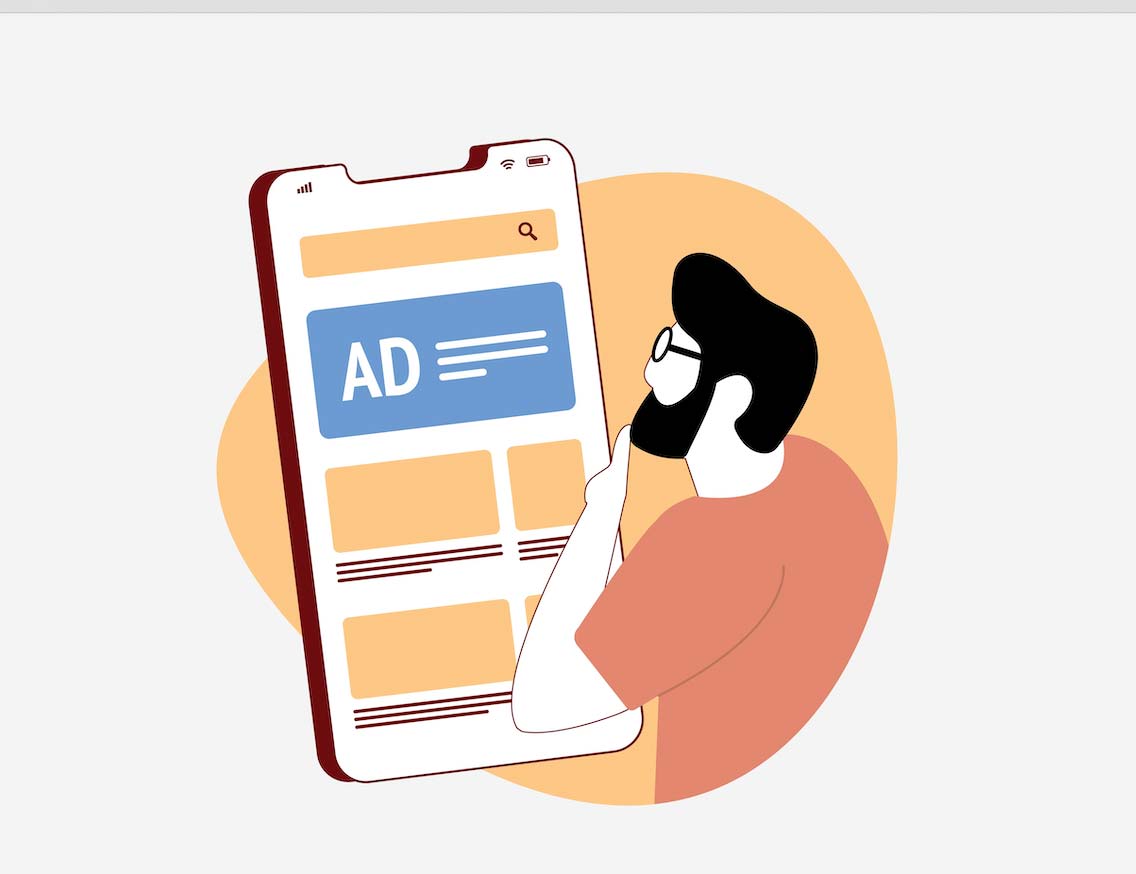
Consumers do not always begin their shopping journeys with a specific product name, a preferred brand, or a ready-to-buy search query. More often, they begin with curiosity. They open a trusted news app, scroll through their daily content feed, read about a trending problem, or explore a topic that matters to them.
So, what makes native advertising effective for product discovery? It reaches people during this exact exploratory mindset, when they are actively open to learning but have not yet narrowed down their options.
Product discovery is fundamentally different from product retrieval. While search advertising helps consumers act on an existing need, native advertising builds the consideration set before that search even happens. By fitting naturally into the surrounding user experience, a well-designed native ad introduces a relevant product without forcing consumers out of exploration mode.
Why Do Native Ads Help Consumers Discover New Products?
Native ads work best because they add value to an experience already in progress. Rather than interrupting a video, covering a mobile screen, or demanding immediate transactional action, they appear naturally within the content flow. Consumers notice the message, understand its relevance, and decide to engage on their own terms.
This native format gives brands the space to:
- Frame a unique consumer problem
- Explain a complex product benefit
- Introduce an innovative use case
- Connect a product directly to a reader’s current interest
For unfamiliar products and challenger brands, this contextual framing is the difference between being ignored and being actively considered. Relevance makes discovery feel like a useful recommendation rather than a random interruption.
Example: A person reading an in-depth article about smart-home efficiency is highly receptive to a new smart-home product they’ve not previously considered. The native ad does not have to interrupt their reading experience to create awareness. It simply offers a relevant next idea.
How Native Ads Match Platform Content and User Intent
Effective native advertising mirrors the form, pace, and expectations of its host platform. In a premium content feed, that may mean deploying a strong headline, an informative visual, and concise copy that feels right at home alongside editorial stories. In a recommendation module, it may mean presenting a useful next step related to what the consumer just read.
Matching the platform does not mean disguising the ad. True native efficacy relies on respecting the digital environment. Strong native ads use familiar content signals while maintaining absolute transparency regarding who is advertising and what value the product offers.
Intent alignment is equally important. A user scrolling through a premium news feed may not have immediate purchase intent, but they may be signaling interest in a specific category. SmartNews Ads translates these real-time signals into high-performance discovery opportunities, serving mobile-first native placements within trusted news feeds where engaged audiences and brand safety coexist.
Native Advertising vs. Search Advertising: Shifting Discovery Intent
The divide between native advertising and search advertising comes down to timing and mindset.
- Search captures declared intent: A user types a specific query because they already recognize a need, category, or solution. Advertisers then compete to answer that request at the bottom of the funnel.
- Native captures exploratory intent: Native reaches consumers much earlier in the funnel. It introduces a category before the user even knows what keywords to type, differentiates a brand before competitors enter the comparison set, and builds affinity before the purchase window opens.
Ultimately, these two channels should reinforce each other. Native advertising sparks the initial awareness and consideration, while search advertising captures the downstream demand. Brands that exclusively measure last-click metrics heavily undervalue the discovery experiences that made those later searches more likely in the first place.
Native Advertising in Content Feeds and Recommendation Widgets
Content feeds are fundamentally built for open-ended exploration. As consumers move from one headline to the next, they create natural windows of opportunity for relevant brand messages to earn authentic attention.
In-feed native ads enter that sequence without fracturing the user’s flow. On mobile screens, the creative must deliver value instantly. This requires a benefit-led headline, clear visuals, concise copy, and a landing page experience that effortlessly continues the feed’s narrative.
Recommendation widgets function similarly at the end of an article. The placement succeeds when the promoted destination feels like a logical extension of the user’s reading journey. Weak relevance creates a digital dead end. Strong relevance opens a path to deeper brand exploration.
When Should Brands Use Native Advertising for Product Discovery?
Native advertising is uniquely powerful when a brand needs to educate, introduce, or reframe a concept. It is the ideal choice for:
- Launching a new product or pioneering an emerging category
- Elevating a challenger brand against entrenched incumbents
- Explaining complex B2B offerings or multi-use consumer products
- Capitalizing on hyper-specific seasonal needs
Successful discovery campaigns start with a dedicated awareness objective rather than a repurposed direct-response ad. The campaign message should answer the consumer’s immediate question: “Why does this matter to me right now?” and the landing page must make it easy to learn, compare, and take action.
Beyond creative, brands must also consider environment. A premium, brand-safe news ecosystem helps a new product earn consumers trust far more effectively than the same message placed alongside low-quality or unpredictable material. The surrounding media heavily influences how audiences evaluate the brand.
Navigating Native Advertising Trust Issues and Disclosure Requirements
While native advertising thrives on visual fit, its long-term success hinges on total clarity. Consumers should understand when content is advertising. The Federal Trade Commission (FTC) maintains strict guardrails: an ad’s format is considered deceptive if it misleads users about its commercial nature or source.
Transparency doesn’t hurt performance-it protects it. Explicit labels such as “Sponsored” or “Advertisement” establish a baseline of trust. From there, the brand earns authentic attention through genuine relevance and creative utility, not confusion. Brands can build on that credibility by treating the surrounding media environment as a measurable trust advantage.
Trust also requires narrative consistency. The headline, image, landing page, offer, and disclosures must all tell the same story. Creatives that overpromise or use clickbait might generate traffic but weaken consideration. A successfully executed native campaign does not trick someone into clicking. It gives that person a credible reason to learn more.
The Intersection of Sponsored Content, Creator Marketing, and Commerce Media
Modern product discovery occurs across an interconnected web of publisher content, creator recommendations, retail environments, and commerce media networks. While these channels use different formats, they share a common underlying principle: they introduce products within digital environments that consumers already use to learn, browse, and make decisions.
- Sponsored content delivers educational depth and editorial authority.
- Creator marketing provides social proof, demonstrations, and personal perspectives.
- Commerce media links discovery to real-time transaction signals and product availability.
Native advertising serves as the connective tissue across these touchpoints, weaving cohesive product stories directly into premium feeds.
A consumer might first encounter a product in their daily SmartNews feed, later see it demonstrated by a creator, and finally evaluate it in a commerce environment. Consistent native positioning helps each touchpoint build compound equity rather than a fragmented message.
The Latest Native Advertising Trends for Product Discovery in 2026
Three macro shifts are fundamentally redefining how native product discovery functions in 2026:
- Creator Ad Spend has Matured into a Core Channel: The IAB projects that U.S. creator ad spending will reach $44 billion in 2026, as brands increasingly integrate creators into their ongoing media, commerce, and product strategies.
- Unified Commerce Media Ecosystems: Commerce media has evolved past isolated retail site placements. Driven by 2026 IAB initiatives, the industry has standardized around collaborative data models and transparent measurement, creating a highly connected discovery-to-conversion pipeline.
- Intentional AI Optimization: While AI-driven optimization continuously refines creative variations, real-time targeting, and dynamic bidding, automation cannot manufacture baseline relevance. The prestige of the ad environment, the clarity of the disclosure, and the quality of the post-click experience still determine whether attention translates into trust.
Turn Exploration Into Measurable Product Discovery
Native advertising works because it respects the psychology of human discovery. Consumers explore ideas before they compare products. They develop nuanced preferences before they ever visit a search engine.
Brands that meet consumers where they are can shape demand earlier, win the consideration phase, and build a stronger bridge from curiosity to action. Through transparent disclosures, precise contextual alignment, and disciplined multi-touch measurement, native advertising ceases to be just another ad format-it becomes an engine for sustainable business growth.
Ready to capture active attention? SmartNews Ads helps advertisers reach highly engaged audiences through mobile-first native formats within a premium, trusted news environment. Book a demo to get started and turn relevant content moments into measurable brand growth.